Welcome to Trianga Yoga
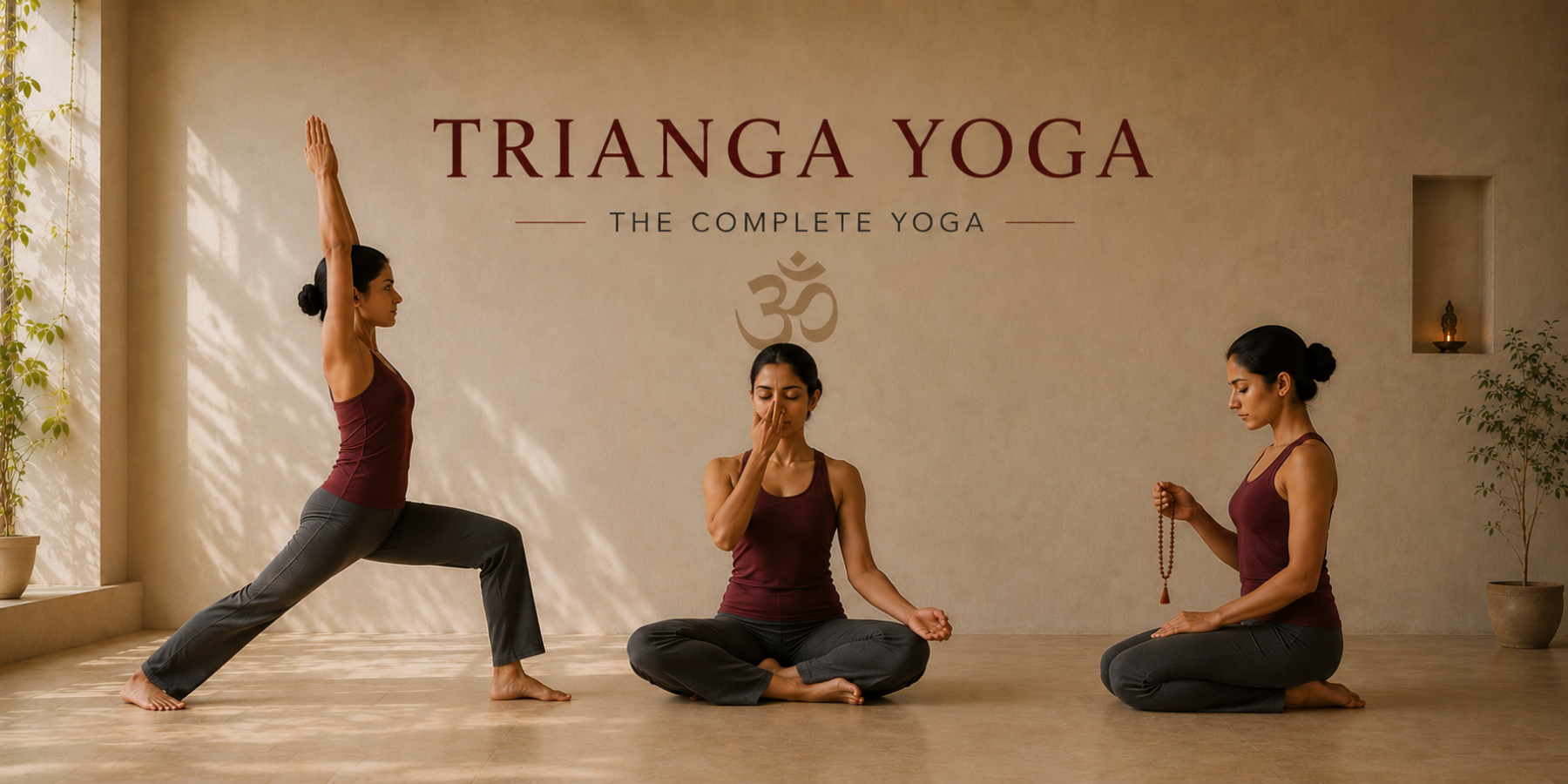
Trianga Yoga is a holistic system of yoga structured around three essential dimensions of human experience—the body (kāya), the vital force (prāṇa), and the mind (manas). The name Trianga literally means “three limbs” or “three parts,” reflecting an integrated path in which these dimensions are cultivated together rather than in isolation.
Through Kāya Yoga, Prāṇa Yoga, and Mano-Yoga, Trianga Yoga combines intelligent movement, authentic Hatha–Kundalini practices, and the contemplative traditions of yoga and tantra into a coherent approach to practice. Each anga brings together both experiential practice and systematic study, allowing physical discipline, energetic refinement, and philosophical understanding to complement and strengthen one another. Rather than treating yoga as merely a form of exercise, a breathing technique, or a philosophical inquiry, Trianga Yoga approaches the practitioner as a complete human being. It recognises that transformation is most meaningful when the body, breath, and mind evolve together, supported by both direct experience and the wisdom of the classical traditions.

Why Trianga Yoga
Modern yoga is often presented through a single lens. Some schools focus primarily on āsana, others on prānāyāma, meditation, philosophy, devotion, or tantra. While each of these approaches offers genuine value, they can unintentionally give the impression that yoga consists of separate disciplines rather than one integrated tradition.
Trianga Yoga has been developed from the conviction that these dimensions are inseparable. Physical practice prepares and supports the subtler practices of breath and meditation. The refinement of prāna steadies the mind. Philosophy provides the context that gives purpose to practice, while practice transforms philosophy from intellectual understanding into lived experience. Rather than creating another style of yoga, Trianga Yoga seeks to organise the breadth of the classical tradition into a practical and accessible framework for modern practitioners. It honours the depth of traditional yoga while embracing contemporary insights from functional anatomy, biomechanics, and neuroscience where they help us practise with greater intelligence and awareness. The result is a balanced approach that is rooted in authenticity, informed by experience, and open to continual learning.
The Three Parts of Trianga Yoga
Trianga Yoga is expressed through three complementary paths, each offering a distinct focus while remaining rooted in the same integrated vision of yoga. Whether your interest lies in movement, breath, philosophy, or contemplative practice, these three angas invite you to explore yoga from different yet interconnected perspectives. Click below to learn more about each path and discover which resonates most with your own journey.
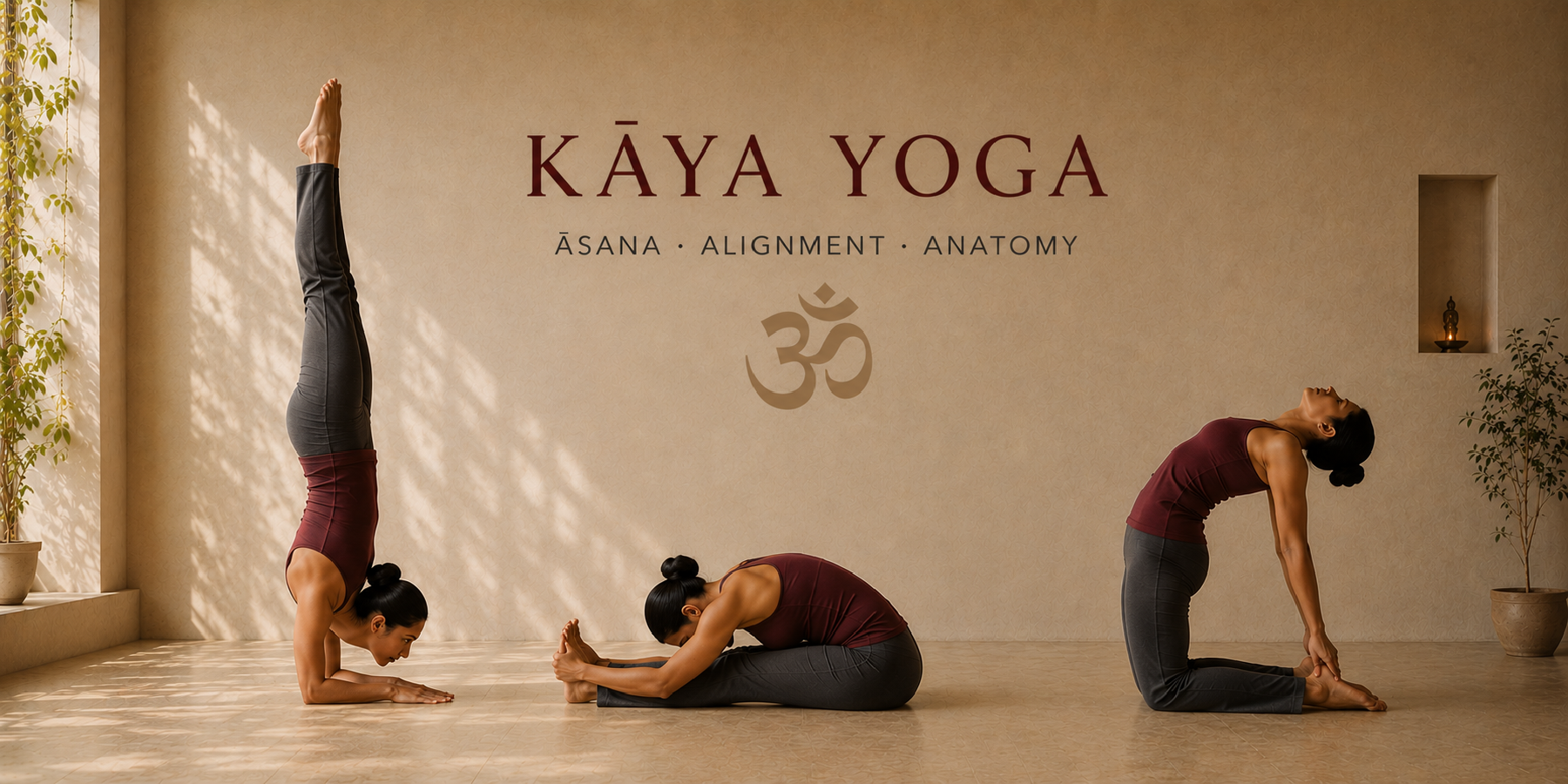
Kāya Yoga
Strength • Movement • Awareness
Kāya Yoga develops strength, mobility, stability, and embodied awareness through intelligently sequenced āsana practice. Grounded in functional anatomy, biomechanics, and neuroscience, it emphasises sustainable movement and functional alignment over rigid aesthetic ideals.
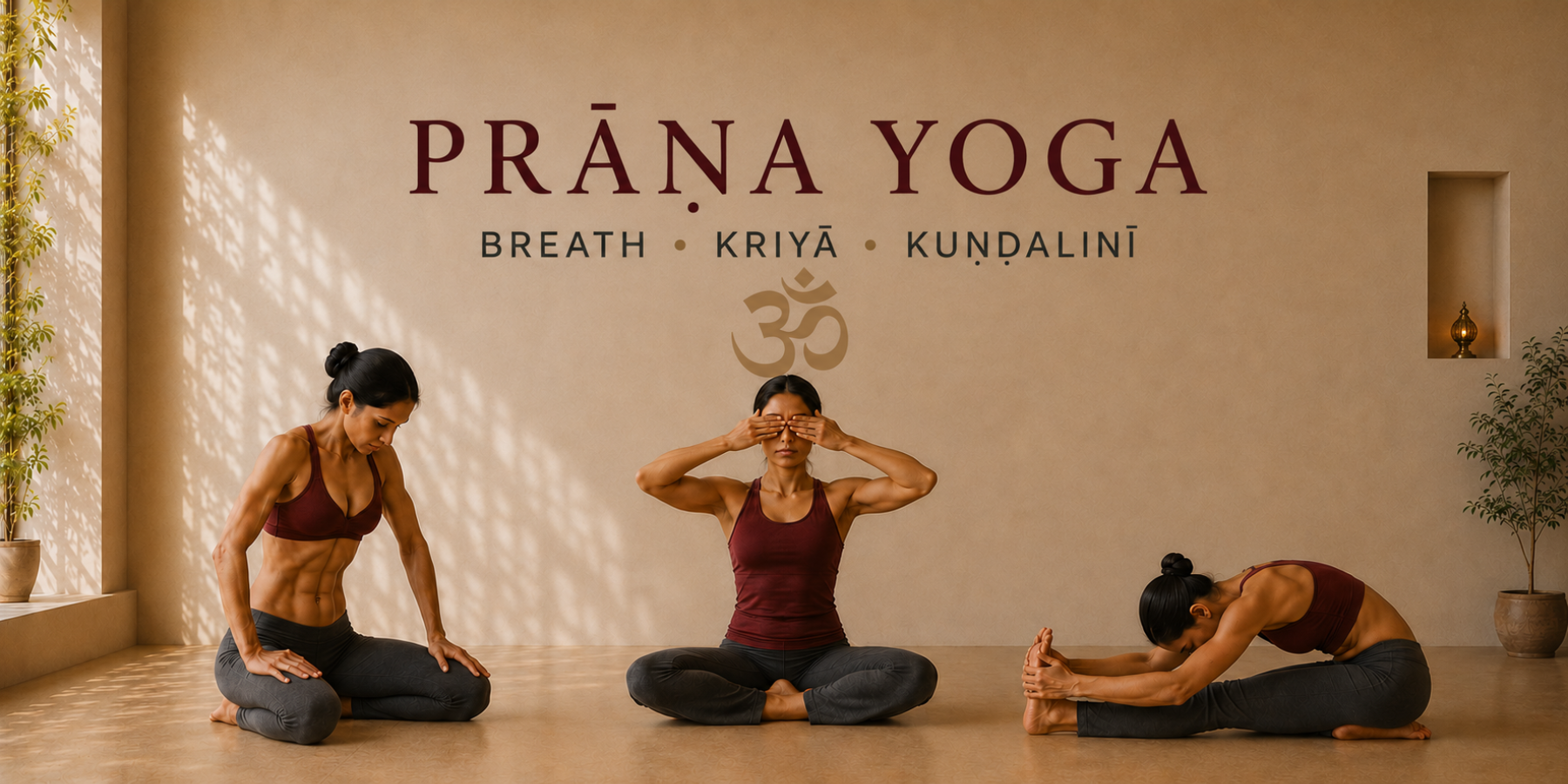
Prāṇa Yoga
Breath • Kriyā • Kuṇḍalinī
Prāṇa Yoga cultivates and directs the vital force through prānāyāma, mudrā, bandha, and traditional Hatha–Kundalinī practices. It bridges the body and the mind by refining breath, awakening subtle awareness, and harmonising the flow of prāna.
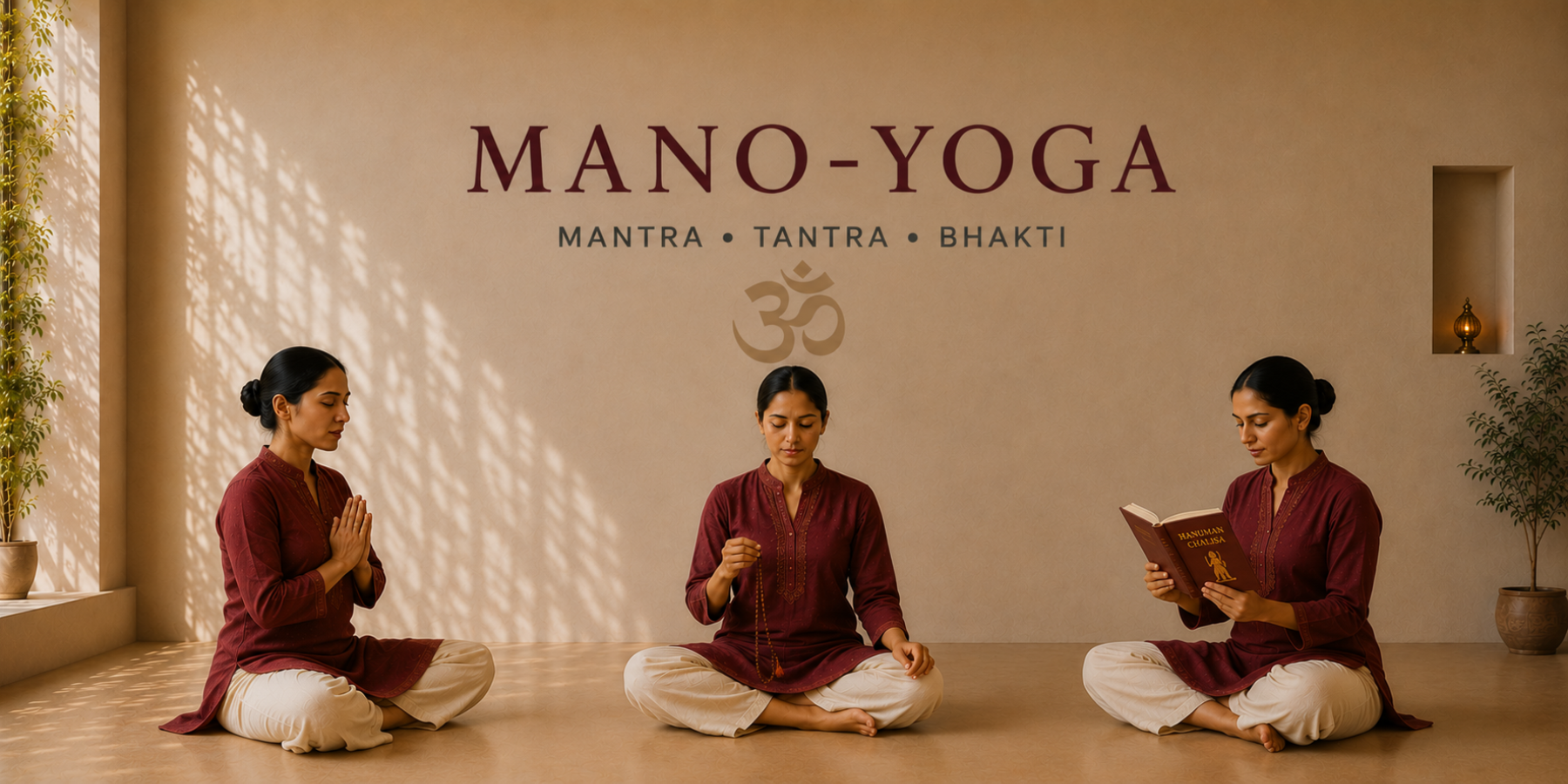
Mano-Yoga
Mantra • Tantra • Bhakti
Mano-Yoga is the contemplative dimension of Trianga Yoga, cultivating devotion, mantra, ritual, and philosophical inquiry. Rooted in traditional Tantra, it transforms the mind through disciplined practice, sacred symbolism, and inner reflection.
Immersion Programmes
If you have ever wished to explore yoga in its many dimensions—beyond what is usually possible in a regular āsana class—these immersions are designed for you. Through dedicated days of practice, discussion, and study, you’ll have the opportunity to delve deeply into one dimension of Trianga Yoga while discovering how it connects to the complete path. Whether you come as a practitioner, a teacher, or simply a sincere student of yoga, there is a place for you here.
Kāya Yoga Sādhanā
A comprehensive Hatha Yoga immersion through functional anatomy, biomechanics, alignment, neuroscience, and intelligent āsana practice. Designed for practitioners who wish to understand not only how to practise, but why.
Prāṇa Yoga Sādhanā
A systematic immersion into the science of prāna and Kundalini. Explore authentic Hatha–Kundalini Yoga through prānāyāma, mudrā, bandha, kriyā, subtle anatomy, and classical yoga philosophy.
Mano-Yoga Sādhanā
A traditional immersion centred on bhakti (devotion), mantra, Tantric rituals, and contemplative practice. Open exclusively to graduates of the Prāṇa Yoga Immersion.
Workshops
Our one-day workshops offer an opportunity to explore the many dimensions of yoga through close engagement with texts, direct experiential practice, and sustained reflection. Each workshop explores a specific aspect of yoga beyond popular assumptions, bringing together the wisdom of classical texts and modern science with āsana practice, philosophical inquiry, meditation, and direct experience.
Kāya Yoga: Āsana Beyond Shape
What if āsana were more than achieving a particular shape? This workshop explores how anatomy, biomechanics, alignment and movement come together, offering a more holistic approach to āsana practice.
Yoga Sūtra: Misconceptions & Meditations
This workshop questions familiar interpretations of the Yoga Sūtra through textual inquiry, while exploring meditative practices drawn directly from the text.
Chakra Sādhanā Beyond Myths
Moving beyond popular ideas of “chakra opening” and activation, this workshop examines how physical practice, prāṇa, mind and sound are understood within the broader yogic and tantric traditions.
Continue the Journey
We hope your visit to Trianga Yoga marks the beginning of a deeper exploration of yoga in all its dimensions. Whether you’re interested in the three angas, the immersion programmes, the workshops, or the philosophy that underpins this work, the pages that follow offer an opportunity to discover the ideas, practices, and experiences that together shape Trianga Yoga.
If you’d like to know how this integrated approach came into being, continue to the story behind Trianga Yoga.